Glow from Within: How Simple Daily Moves Transformed My Skin
Ever feel like your skincare routine is missing something? I did—until I realized the secret wasn’t in a fancy cream, but in movement. Turns out, gentle daily exercise boosts circulation, reduces puffiness, and gives skin that healthy, natural glow. No extreme workouts, no gimmicks—just simple, sustainable motion that actually works. This is what changed everything for me. What if the key to radiant skin isn’t another serum, but something you already have the power to do every single day? The connection between movement and skin health is real, science-backed, and surprisingly accessible.
The Skin-Movement Connection: Why Exercise Matters for Your Glow
Skin is the body’s largest organ, and like every other organ, it thrives when supported by strong internal systems. One of the most powerful ways to support skin health is through regular, gentle physical activity. When you move your body, you increase blood circulation, which delivers oxygen and essential nutrients to skin cells. This enhanced flow helps maintain cell turnover, supports collagen production, and promotes a more even skin tone. Over time, consistent movement leads to a brighter, more resilient complexion that reflects inner vitality.
Beyond circulation, exercise plays a critical role in reducing systemic inflammation and lowering cortisol levels. Cortisol, often referred to as the stress hormone, can trigger breakouts, redness, and dullness when elevated over time. Chronic stress disrupts the skin’s barrier function and can worsen conditions like acne and rosacea. Physical activity helps regulate cortisol, calming the body’s stress response. Even mild forms of movement—such as walking or stretching—can activate the parasympathetic nervous system, which promotes relaxation and healing. This dual effect of nourishing the skin while calming internal stressors creates an ideal environment for a healthy glow.
Another often-overlooked benefit of movement is its impact on lymphatic drainage. Unlike the circulatory system, the lymphatic system does not have a pump; it relies on muscle contractions to move fluid and remove waste. When lymph flow is sluggish, it can contribute to facial puffiness, particularly around the eyes and jawline. Regular movement helps stimulate this system, supporting the removal of toxins and reducing fluid retention. This natural detoxification process enhances skin clarity and contributes to a more sculpted, rested appearance. The result is not just healthier skin, but a more awakened and refreshed look.
It’s important to note that the goal is not dramatic transformation overnight. Sustainable skin health comes from consistency, not intensity. You don’t need to run marathons or spend hours in the gym. In fact, overly intense workouts without proper recovery can increase oxidative stress and inflammation, potentially counteracting benefits. The focus should be on enjoyable, moderate activity that you can maintain over time. When movement becomes a natural part of your daily rhythm, the skin begins to reflect that balance—showing fewer signs of fatigue, congestion, and imbalance.
My "Aha!" Moment: When Skincare Alone Wasn’t Enough
For years, I believed that glowing skin came from a carefully curated shelf of serums, cleansers, and moisturizers. I invested in high-end products, followed expert routines, and religiously applied antioxidants and retinols. Yet, despite all this effort, my skin often looked tired, uneven, and prone to occasional flare-ups. I would wake up with puffiness, a dull tone, or unexpected breakouts—especially during stressful weeks. I began to question whether I was missing a crucial piece of the puzzle. Was it my diet? Hydration? Sleep? All of these factors mattered, but something still felt incomplete.
The turning point came after a particularly stressful month. My skin was at its worst—lifeless, congested, and inflamed. I had tried every topical solution I could find, but nothing brought lasting improvement. That’s when I started paying closer attention to how I felt in my body. I noticed I was sitting for long hours, skipping walks, and feeling constantly tense. I wasn’t moving enough. On a whim, I committed to a simple experiment: I would add just ten minutes of gentle movement each day and observe any changes. I didn’t change my skincare routine or diet—just added movement.
Within two weeks, I began to notice subtle shifts. My morning puffiness was less pronounced. My complexion looked more even, and I felt more energized overall. After a month, friends started commenting on how “glowy” I looked. I wasn’t doing anything drastic—just walking, stretching, and bouncing lightly on a mini trampoline. The realization hit me: my skin wasn’t just responding to what I put on it, but to what I was doing with my body. Movement was the missing link. It wasn’t about replacing skincare, but complementing it with internal support. This shift in perspective changed everything.
What surprised me most was how quickly the benefits appeared. I had assumed that real skin transformation required long-term, intensive effort. But gentle, consistent motion produced visible results in a matter of weeks. This experience taught me that skin health is deeply connected to overall well-being. When the body feels supported—through movement, breath, and relaxation—the skin naturally reflects that balance. It wasn’t magic. It was physiology. And once I understood that, I stopped chasing quick fixes and started building sustainable habits that nurtured my skin from within.
The 5-Minute Morning Routine That Wakes Up My Skin
Mornings set the tone for the day, and how you start can have a direct impact on your skin’s appearance and resilience. One of the most effective habits I’ve adopted is a simple five-minute movement sequence that requires no equipment, no special clothing, and no gym membership. It’s designed to gently activate the body, stimulate circulation, and prepare the skin for the day ahead. The best part? It’s easy to do at home, even before brushing your teeth.
The routine begins with dynamic stretching—slow, controlled movements that warm up the muscles and joints. I start with arm circles: 30 seconds forward, 30 seconds backward. This motion engages the shoulders and upper back, areas where tension often builds. As blood flows into these regions, it also reaches the neck and face, promoting a subtle facial flush. This natural rush of circulation delivers oxygen to skin cells, helping to reduce morning dullness. Next, I incorporate gentle torso twists while standing with feet hip-width apart. Rotating the spine from side to side encourages fluid movement in the core and supports lymphatic flow, which can help reduce puffiness around the jaw and cheeks.
Neck rolls are another key component. With slow, deliberate motions, I roll my head in a circular pattern—first clockwise, then counterclockwise. This releases tension in the neck and upper trapezius muscles, which are common areas of stored stress. When these muscles are tight, they can contribute to facial tension and a tired expression. By releasing this tightness early in the day, I notice my face appears more relaxed and open. I also include a few forward folds—bending at the hips to let my arms dangle—and gentle side bends to stretch the spine and improve posture. These movements may seem minor, but they send a signal to the body that it’s time to awaken and flow.
What makes this routine so effective is its consistency. I don’t push for intensity or perfection. Some days I feel more energized; other days, I move slowly and gently. The goal is not to exhaust myself, but to invite circulation and awareness into my body. Over time, this short practice has become a non-negotiable part of my self-care. It’s not just about the physical benefits—it’s a mindful moment that centers me before the day begins. And my skin? It shows up brighter, clearer, and more alive, as if it, too, has taken a deep breath and woken up.
Walk It Off: How Brisk Walking Became My Secret Skincare Weapon
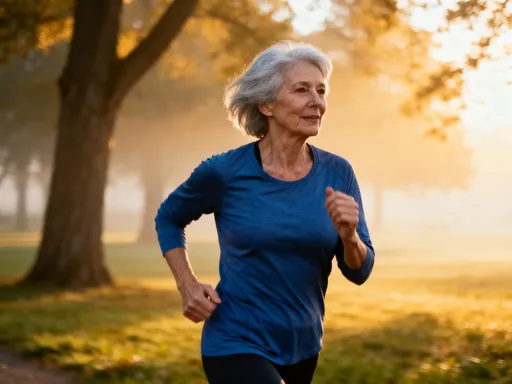
If there’s one form of movement I credit most for transforming my skin, it’s brisk walking. It’s simple, accessible, and deeply effective. Unlike high-impact workouts that can feel intimidating or unsustainable, walking fits seamlessly into daily life. I started with just 20 minutes a day, choosing quiet neighborhood streets or tree-lined paths. Within weeks, I noticed not only improvements in my energy and mood but also in the clarity and tone of my skin.
Walking boosts cardiovascular health, which directly supports skin vitality. As your heart rate increases slightly, blood flow improves throughout the body, including the face. This increased circulation delivers oxygen and nutrients to skin cells while helping remove metabolic waste. Over time, this process supports collagen production and reduces the appearance of fine lines. Additionally, walking helps regulate blood sugar levels, which is crucial for preventing inflammation and hormonal breakouts. Stable insulin levels mean fewer spikes that can trigger acne and oiliness—making walking a powerful ally for clear, balanced skin.
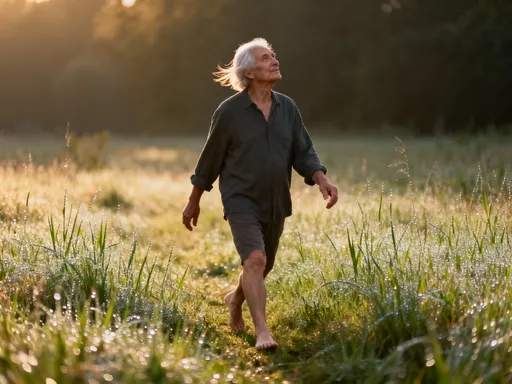
Another advantage of walking is the exposure to natural light. Spending time outdoors, especially in the morning, helps regulate circadian rhythms and supports healthy sleep patterns—both of which are essential for skin repair. Sunlight also provides a natural source of vitamin D, which plays a role in skin cell growth, repair, and metabolism. Of course, I always wear sunscreen when walking during daylight hours, but brief, protected exposure offers benefits without risk. The combination of fresh air, movement, and light creates a holistic boost that no skincare product can replicate.
Perhaps just as important is the mental reset that walking provides. I often use this time to clear my mind, listen to calming music, or simply observe my surroundings. This mental relaxation reduces stress, which we know is a major contributor to skin issues. When cortisol levels are lower, the skin is less prone to inflammation, redness, and breakouts. Walking becomes more than exercise—it becomes a moving meditation, a daily act of self-care that nurtures both mind and skin. I’ve come to view my daily walk not as a chore, but as a gift I give myself—one that my skin gratefully receives.
Bouncing for Blood Flow: Why Rebounding Beats the Gym (For Me)
One of the most surprising—and enjoyable—additions to my routine has been rebounding: gentle bouncing on a mini trampoline. At first, it felt a bit silly, like something from a childhood playground. But I quickly learned that this low-impact activity offers remarkable benefits for skin health. Rebounding is uniquely effective at stimulating the lymphatic system, which plays a vital role in detoxification and reducing facial puffiness.
The lymphatic system relies on muscle movement to circulate lymph fluid, which carries away cellular waste and toxins. Without regular motion, this system can become sluggish, leading to fluid buildup and congestion—often visible as under-eye swelling or a puffy face. Rebounding uses rhythmic, vertical motion to pump lymph fluid through the body, enhancing drainage and supporting clearer skin. Just five to ten minutes a day can make a noticeable difference in facial definition and brightness. I’ve found that rebounding in the morning helps “drain” overnight fluid retention, leaving my face looking more sculpted and awake.
Another benefit is improved circulation. The gentle bouncing increases heart rate slightly while engaging muscles throughout the body, especially in the legs and core. This boosts blood flow to the skin’s surface, delivering oxygen and nutrients that support cell renewal. Unlike high-impact cardio, rebounding is easy on the joints, making it ideal for those with sensitivities or busy schedules. I can do it indoors while listening to a podcast or even watching the news—no need to change into workout clothes or leave the house.
Safety is important, so I always start slowly and maintain control. I focus on soft, even bounces—keeping my feet close to the mat and my core engaged. I avoid high jumps or fast movements, which could strain joints. For me, the joy of rebounding lies in its simplicity and fun factor. It doesn’t feel like exercise; it feels like play. And because it’s enjoyable, I’m more likely to stick with it. Over time, this consistent practice has contributed to a more even complexion, reduced breakouts, and a natural radiance that feels authentic. It’s a reminder that self-care doesn’t have to be serious to be effective.
Stretching Before Bed: How Evening Mobility Soothes Skin and Mind
Just as important as morning movement is the practice of winding down with gentle evening stretches. This ritual has become a cornerstone of my skin-supportive lifestyle. After a long day of sitting, stress, and screen time, my body often holds tension—especially in the jaw, neck, and shoulders. This tension doesn’t just affect how I feel; it can show up on my face as tightness, fatigue, or even headaches that disrupt sleep. By dedicating 10–15 minutes to slow, intentional movement before bed, I release this stored stress and create optimal conditions for skin repair.
Sleep is when the body performs its most critical regeneration work, including skin cell turnover and collagen synthesis. But if cortisol levels remain elevated due to stress, this process can be disrupted. Evening stretching activates the parasympathetic nervous system, signaling the body that it’s time to rest and recover. I focus on long, deep stretches—like seated forward folds, gentle spinal twists, and child’s pose—combined with slow, diaphragmatic breathing. These movements calm the nervous system and prepare the body for deep, restorative sleep. When I sleep well, my skin wakes up looking refreshed, plump, and more resilient.
I also incorporate foam rolling into my evening routine, focusing on the upper back and shoulders. This self-massage technique helps release myofascial tension and improves blood flow to tight areas. Improved circulation means better nutrient delivery to skin cells overnight. I’ve noticed that on nights I skip this practice, my skin appears slightly duller the next morning. But when I stay consistent, I wake up with a subtle glow—as if my skin has had a full night of quiet repair.
Another key area I address is jaw tension. Clenching or grinding teeth, often due to stress, can lead to facial tightness and even contribute to jawline puffiness. I gently massage my jaw muscles and perform slow opening-and-closing motions to release the tension. This not only feels soothing but also helps prevent the dull, fatigued look that stress can create. Evening mobility isn’t about exertion—it’s about surrender. It’s a quiet act of kindness toward my body, one that my skin repays with clarity and calm.
Putting It All Together: Building a Skin-Boosting Movement Lifestyle
The beauty of this approach is that it doesn’t require a rigid schedule or expensive equipment. It’s about weaving small, meaningful movements into your existing routine—what I call a skin-boosting lifestyle. The goal isn’t perfection, but consistency and enjoyment. When movement feels good, you’re more likely to stick with it. I’ve learned to listen to my body and adjust based on energy levels, stress, and time. Some days, it’s a brisk walk and rebounding. Other days, it’s just stretching in the morning and before bed. All of it counts.
Variety is also key. By incorporating different types of movement—cardio, lymphatic stimulation, flexibility, and relaxation—I support multiple systems that contribute to skin health. Walking improves circulation and mood. Rebounding enhances detoxification. Stretching reduces tension and supports sleep. Together, they create a synergistic effect that goes beyond any single workout. I’ve also paired these habits with proper hydration and mindful eating, knowing that movement works best when supported by good nutrition and rest.
It’s important to let go of the myth that only intense exercise delivers results. For skin health, gentle, regular motion is often more effective than sporadic, high-intensity sessions. The body thrives on rhythm, not extremes. I no longer view movement as a punishment or a chore, but as a form of self-respect—a daily promise to care for my body from the inside out. And the glow? It’s not a filter. It’s the visible sign of a system working in harmony.
For anyone feeling stuck in their skincare journey, I encourage you to look beyond the mirror. Ask yourself: How am I moving? How am I breathing? How am I resting? These internal practices are just as important as the products you use. When you support your body’s natural processes, your skin responds with resilience, radiance, and vitality. It’s not about chasing youth or perfection—it’s about honoring your body and allowing your natural glow to emerge.
Conclusion: Small Moves, Big Glow – A Lifestyle, Not a Fix
Radiant skin is not something you buy. It’s something you cultivate. The most effective skincare isn’t found in a bottle—it’s built through daily choices that support your body’s innate wisdom. Movement, in its simplest forms, is one of the most powerful tools you have. It enhances circulation, reduces stress, supports detoxification, and promotes restful sleep—all of which are reflected in the health and appearance of your skin.
This journey taught me that true beauty comes from balance. It’s not about drastic changes or extreme regimens. It’s about showing up for yourself in small, consistent ways. A five-minute stretch. A daily walk. A moment of rebounding joy. These practices are not just good for your skin—they’re good for your soul. They remind you that you are more than your reflection. You are a living, breathing system that thrives on care, motion, and intention.
So, if you’ve been searching for that missing piece, consider this: it might already be within you. You don’t need a miracle. You just need to move. Start small. Be kind to yourself. Let your body lead the way. And watch, as your skin begins to glow—not because of what you’ve added, but because of what you’ve awakened.