Scanned 300 Pages in One Weekend: How Document Recognition Cleared My Clutter for Good
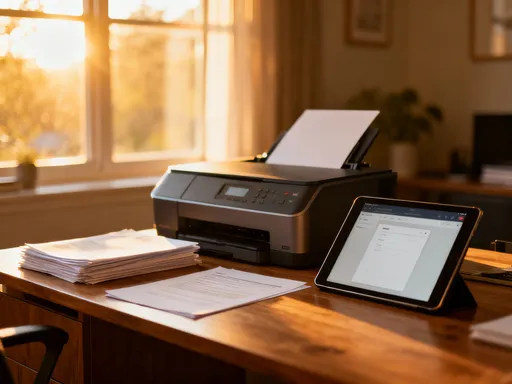
Life used to feel buried under stacks of paper—bills, school forms, warranties, receipts. I’d shuffle through drawers every tax season, stressed and overwhelmed. Sound familiar? Then I tried document scanning recognition, not expecting much. But within days, my home office transformed. More than just digital files, I gained clarity, time, and peace. This isn’t about tech for tech’s sake—it’s about reclaiming your space and sanity. Let me show you how one small change made life feel lighter, simpler, and fully within reach.
The Paper Avalanche That Broke My Back (Literally)
It happened on a Tuesday morning. I was reaching for a permission slip my daughter needed for a field trip, digging through a drawer that hadn’t seen order since the Obama administration. My fingers brushed something important—maybe a receipt, maybe a vaccination record—and then it happened. The entire file box on top of the cabinet teetered, wobbled, and collapsed. A waterfall of paper rained down, burying my shoes, my coffee mug, and eventually, me. As I sat on the floor, surrounded by a blizzard of expired coupons, insurance forms, and birthday cards I’d forgotten to send, I felt something worse than physical discomfort: shame. My back ached, yes, but my heart ached more. This wasn’t just clutter. This was a symbol of everything I felt I should be handling better—managing the home, protecting the family, staying on top of things. Instead, I was drowning in paper.
That moment wasn’t isolated. It was the final straw in a long pattern. Every time I opened a drawer or looked at the dining table turned makeshift desk, I felt a low hum of anxiety. Where was the car warranty? Did I ever submit the school’s allergy form? What about the electric bill from last January—was it paid? I wasn’t just disorganized. I was living with constant mental noise. And I know I’m not alone. So many of us—mothers, caregivers, the ones who hold the household threads together—carry this quiet burden. We don’t talk about it much, but we feel it. The guilt of unfinished tasks. The fear of missing something important. The exhaustion of managing it all without a real system. That pile of paper wasn’t just physical. It was emotional. And I was tired of letting it win.
From Skeptic to Believer: Finding the Right Tool
Like many people, I’d tried going digital before. I downloaded apps, bought a scanner that looked like it belonged in a 1998 office, and even attempted the ‘just take a photo with your phone’ method. Spoiler: none of it worked. The photos were crooked, too dark, or blurry. The scanner was loud, slow, and required me to feed each page one by one—something I rarely had the time or patience for. After a few failed attempts, I gave up. I told myself, ‘Maybe I’m just not a tech person.’ But deep down, I knew the real issue wasn’t the tech. It was that the tools weren’t designed for real life.
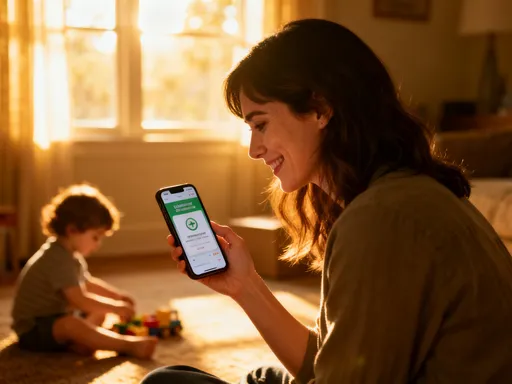
Then, last spring, a friend mentioned an app she used to scan her documents. She showed me her phone—just a few taps, and there was a crisp, clean image of a medical form, automatically cropped and saved as a searchable PDF. I was skeptical. ‘That looks too easy,’ I said. But she insisted it only took seconds. So, I downloaded it that night. The first time I opened it, I aimed my phone at a stack of unopened mail. I snapped a few pictures. The app automatically detected the edges of each page, straightened them, enhanced the text, and converted everything into a neat digital file. I could search for ‘insurance’ and instantly find the document I needed. I could tag it, rename it, and file it away—all before my tea got cold.
That moment changed everything. It wasn’t just convenient. It felt like someone had handed me a superpower. No more squinting at blurry photos. No more scanning one page at a time. This wasn’t tech for geeks. This was tech for *me*—for busy moms, for people who need things to work fast and quietly, without a manual. I finally understood: the right tool doesn’t ask you to change your life. It fits into it. And for the first time, I felt like I wasn’t fighting against technology. I was using it to fight back against chaos.
How Scanning Transformed My Home Organization
The most immediate change was physical. Within a week, I cleared the dining table. No more stacks of unopened envelopes. No more sticky notes with scribbled reminders. I emptied three drawers, donated two file cabinets, and turned a corner of the basement into a minimalist ‘paper zone’—just a small basket for things that needed temporary attention. But the real transformation was internal. For the first time in years, I walked into my home and didn’t feel the weight of unfinished business.
I created digital folders on my phone and synced them to a secure cloud service. Everything had a place: “Taxes,” “School,” “Medical,” “Home Repairs,” “Warranties,” “Passports & IDs.” When I got a new document, I scanned it immediately. A receipt? Scanned. A school form? Scanned and shared with my husband. A warranty for the dishwasher? Filed under “Home Repairs” with a note about the expiration date. The act of scanning became a ritual of release—like saying, ‘This is handled. I can let go.’
The mental shift was profound. I stopped dreading tax season. I didn’t panic when the school called for immunization records. I could pull up a document in seconds, even from the grocery store. And because everything was searchable, I didn’t have to remember where I put something. I just typed a word—‘dentist,’ ‘insurance,’ ‘permission’—and there it was. My home wasn’t just tidier. It felt calmer. More peaceful. Like a place where I could breathe again. That’s when I realized: organization isn’t about perfection. It’s about peace. And I had finally found mine.
Saving Time (and Sanity) During Busy Family Moments
One of the most powerful moments came during a routine pediatrician visit. My son was due for a check-up, and the office asked for his immunization records. In the past, this would’ve meant a frantic call to the school nurse, a wait for a fax, or worse—showing up empty-handed and rescheduling. But this time, I opened my phone, searched ‘immunization,’ and within seconds, I had the document. The nurse smiled and said, ‘You’re the first parent today who had it ready.’ I didn’t feel smug. I felt relieved. This wasn’t about impressing anyone. It was about showing up for my family without stress.
Another time, my daughter needed a sports physical form signed by her doctor. The deadline was tight, and I’d misplaced the original. Instead of panicking, I checked my app. There it was—scanned and labeled two months earlier. I printed it, signed it, and got it back on time. No last-minute rush. No guilt. Just calm, quiet competence. These moments added up. I started using the app to track insurance renewals, set reminders for vaccine boosters, and even keep a digital copy of my car’s maintenance history. Each time I accessed a document instantly, I felt a little more in control.
And that’s the truth about technology like this—it doesn’t replace care. It supports it. It doesn’t make you colder or more robotic. It gives you space to be more present. When I’m not digging through drawers or making anxious phone calls, I’m freer to listen, to hug, to just *be* with my family. That’s the real win. Not the digital files. Not the organized folders. But the peace that comes from knowing you’ve got what matters—and you can find it when you need it.
Teaching My Teens to Scan—and Why It Mattered
I didn’t keep this system to myself. I showed my kids how to use the app, not because I wanted them to be mini versions of me, but because I wanted them to feel capable. My older daughter was working on a big history project. She had drafts, research notes, and teacher feedback—all on paper. I suggested she scan each version as she went. At first, she rolled her eyes. ‘Mom, that’s so extra.’ But after she lost a draft in her backpack, she came back. ‘Can you show me how to do that scanning thing again?’
She started scanning her work, organizing it by project name. She could compare drafts, share them with her teacher, and even submit them digitally. Her confidence grew. She wasn’t just managing her work. She was mastering it. My son, meanwhile, used it for sports. Permission slips, game schedules, medical forms—he scanned them all. He even set up a folder called ‘Soccer’ and added his volunteer hours from helping at youth clinics. When he applied for a summer job, he had a clean record ready to go.
What surprised me most wasn’t the efficiency. It was the sense of responsibility it gave them. They weren’t just using an app. They were learning to care for their own information. They were building digital literacy—the kind of skill no one teaches in school but everyone needs in life. And as a mom, that felt like a gift. I wasn’t just cleaning up my clutter. I was equipping my kids with tools to handle their own. That’s the kind of legacy I want: not a perfectly tidy house, but children who know how to manage their lives with calm and confidence.
Beyond the Home: How Scanning Simplified Travel and Emergencies
Last summer, we went on a family trip to Europe. Exciting, yes—but also stressful. One morning in Paris, I reached for my passport and it wasn’t in my bag. My heart dropped. After retracing our steps, we realized it had been left in a taxi. Panic set in. How would we get home? Then I remembered: I had scanned my passport and stored it in a secure folder in the cloud. I pulled it up on my phone, showed it to the embassy official, and within hours, I had temporary travel documents. We didn’t miss our flight. We didn’t ruin the trip. All because I had taken five minutes months earlier to scan a piece of paper.
That experience changed how I think about preparedness. I now keep digital copies of every important document: driver’s license, health insurance card, birth certificates, even pet vaccination records. I store them in a password-protected folder, accessible only to me and my husband. It’s not about expecting disaster. It’s about knowing I’m ready—quietly, without drama. During a recent storm that knocked out power for two days, I was able to access medical records for my mom, who was staying with us. No scrambling. No stress. Just calm, quick access to what mattered.
This isn’t about being paranoid. It’s about being peaceful. Because peace doesn’t come from ignoring risks. It comes from being prepared. And document scanning gave me that. It’s like having a safety net you don’t even see—until you need it. Then, it’s everything.
Small Tech, Big Life: Why This Change Lasted
So many of us try new systems—bullet journals, fancy planners, digital calendars—only to abandon them by February. I’ve been there. But this time was different. Scanning stuck. And I think I know why. It didn’t ask me to be perfect. It didn’t require hours of setup. It solved real, daily problems—the kind that chip away at your energy and joy. It wasn’t about becoming someone else. It was about becoming more myself: calmer, more capable, more in control.
I didn’t scan 300 pages in one weekend because I’m superhuman. I did it because I started small. One bill. One receipt. One form. Each scan was a tiny act of care—for my home, my family, myself. Over time, those small actions built momentum. Now, it’s second nature. I scan without thinking, like brushing my teeth or locking the door at night. And the benefits keep compounding. Less stress. More time. More space—both physical and mental.
Looking back, I realize this wasn’t just about paper. It was about reclaiming my attention, my energy, my peace. In a world that constantly demands more from us, sometimes the most radical act is to simplify. To create systems that work quietly in the background, so we can focus on what really matters—our families, our well-being, our joy. Document scanning didn’t change my life because it’s flashy or high-tech. It changed my life because it’s simple, human, and deeply practical. It reminded me that progress doesn’t have to be loud. Often, the smallest changes make the loudest difference. And sometimes, the quietest tech brings the loudest sense of freedom.